AI Sales Assistant in CRM: Lead Research, Qualification, and Follow-Up
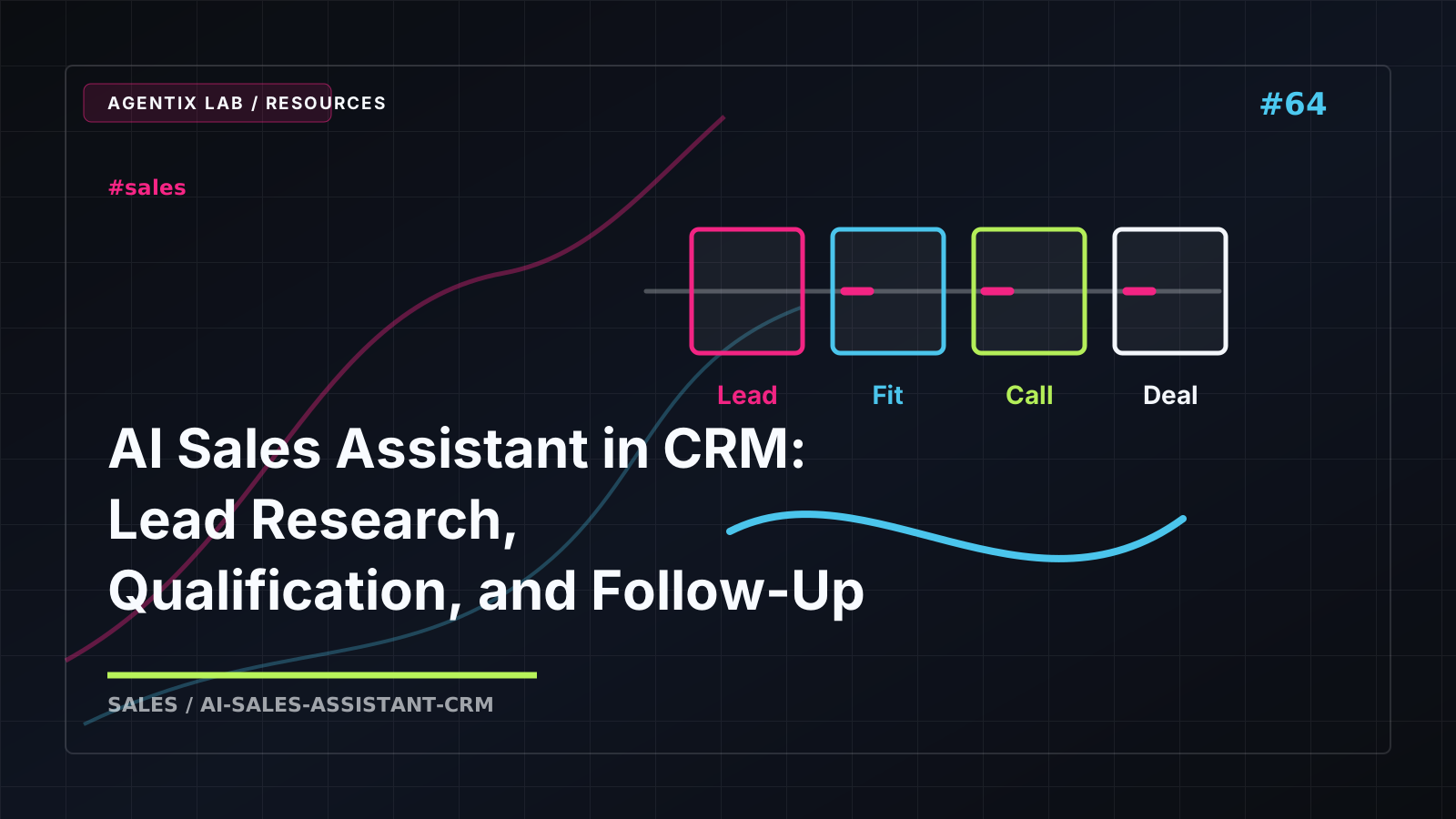
Sales teams do not need another dashboard. They need cleaner context, faster follow-up, and fewer forgotten next steps. An AI sales assistant can help when it is embedded into the CRM workflow instead of living as a separate chat window.
The best version acts like an operations layer around the rep: it reads incoming leads, enriches context, drafts next actions, logs activity, and flags risk.
Start with lead intake
Lead intake is a strong first workflow because the data arrives in predictable forms: website submissions, Meta lead forms, LinkedIn messages, inbound email, and referrals. The assistant can normalize names, companies, contact details, country, source, campaign, budget signals, and intent.
Then it can classify the lead:
- ICP fit;
- urgency;
- likely use case;
- company size;
- language;
- routing owner;
- missing fields.
This is not glamorous, but it prevents expensive leakage in the funnel.
Research before the first reply
Good sales follow-up depends on context. The assistant can summarize the company website, identify likely pains, detect industry, pull CRM history, and prepare a short briefing for the rep. The point is not to automate fake personalization. The point is to make the first human message sharper.
For agencies, the assistant can also map the lead to service lines: AI automation audit, agent development, CRM integration, marketing automation, support automation, or internal knowledge systems.
Draft, do not spam
The AI assistant should draft follow-up emails, WhatsApp messages, call notes, and meeting agendas. It should not automatically send high-stakes outreach unless the rules are strict and the copy is approved. A human-in-the-loop workflow keeps quality high and helps train better patterns over time.
Useful drafts include:
- first response based on the form message;
- short discovery agenda;
- recap after call notes;
- proposal skeleton;
- reactivation message for stale leads;
- objection response based on CRM stage.
Keep the CRM clean
Many AI projects fail because they create more data than humans can use. Keep outputs structured. Use fields for lead score, use case, next action, summary, blockers, and recommended owner. Save long reasoning in logs, not in the main CRM view.
Measure revenue operations impact
Track speed to lead, percentage of leads enriched, routing accuracy, reply rate, meeting booking rate, no-show reduction, and time saved per rep. A good AI sales assistant is not judged by how clever it sounds. It is judged by whether more good leads get handled on time.
When built carefully, the CRM becomes less of an archive and more of an active sales system: it notices, prepares, nudges, and records without stealing the rep's judgment.